Single-vendor vs multi-vendor BTL campaign management: 2026 decision framework
2 min read

Real-time retail marketing tracking helps FMCG brands monitor execution, improve visibility, ensure compliance, and optimize campaigns with data-driven insights for better performance.
In the fast paced FMCG industry, real time retail marketing tracking plays a crucial role in maintaining a competitive advantage. Brands respond quickly to changing consumer behavior, market trends, and on ground execution challenges. Without timely insights, campaigns risk losing relevance and impact, leading to missed opportunities and reduced effectiveness.
Real time campaign tracking enables brands to access live data, improve decision-making, and optimize retail marketing performance instantly. It provides visibility into execution quality, helps identify gaps early, and ensures campaigns stay aligned with objectives. By adopting real time tracking solutions, brands enhance operational efficiency, strengthen customer trust, and drive better marketing outcomes across multiple retail locations.
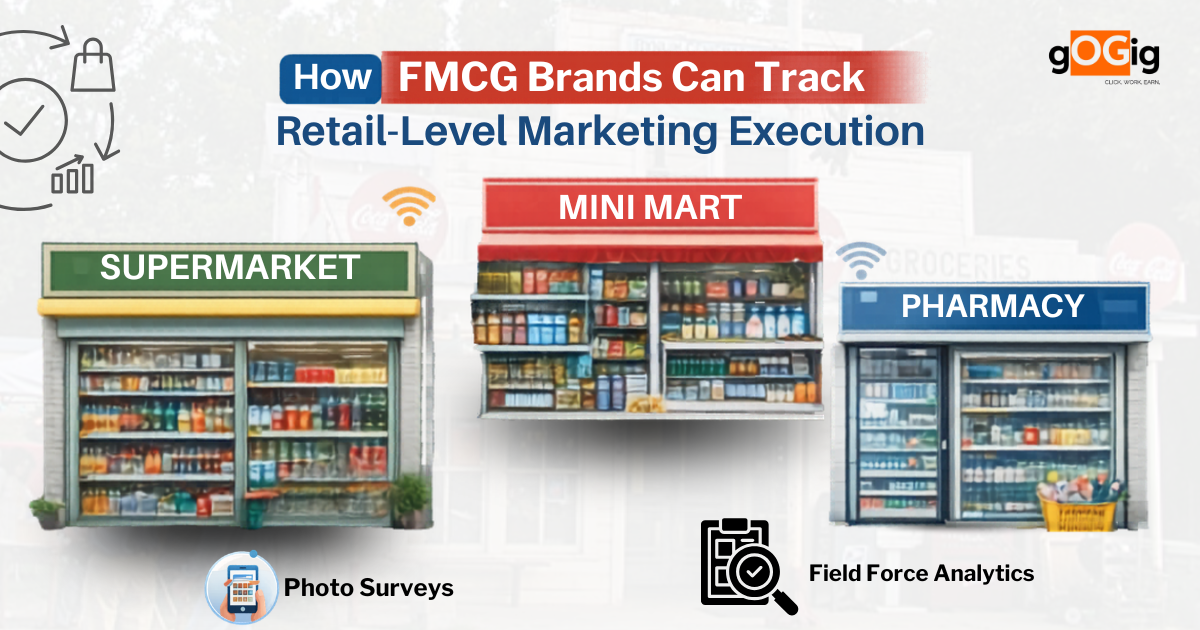
Real time retail marketing tracking is crucial for FMCG brands aiming to monitor their marketing execution effectively. It provides immediate insights into campaign performance, allowing brands to make informed decisions on the fly.
Real time tracking involves continuously monitoring various aspects of your marketing campaigns as they unfold. Key metrics to focus on include:
The role of technology in this context is significant. With advancements in data analytics and mobile solutions, brands gain instant visibility into their marketing efforts. This leads to faster issue resolution and improved overall campaign effectiveness.
Retail level execution often exposes critical gaps in visibility and control, especially across multiple store locations. Field reporting is typically delayed by 24 to 48 hours, limiting real time decision making. At the same time, nearly 25–30% of retail execution data can be incomplete or inconsistent, making it difficult to track actual performance. With multiple field teams and vendors involved, reporting errors can increase by 20–25%, leading to mismatches between planned and executed activities.
Key challenges:
The consequences of these challenges can be severe, affecting brand reputation and ROI. Efficient tracking methods are necessary to ensure successful campaigns and maintain a competitive advantage.
Understanding how real time retail marketing tracking functions is essential for effective campaign execution. This approach utilizes advanced technologies to ensure seamless monitoring and verification of marketing activities.
Real time tracking relies on various technologies, including GPS and mobile applications, to gather data during campaigns. As teams execute their tasks, these tools collect information regarding location, time, and task status continuously. This data is then reported in real time through centralized dashboards, allowing brands to monitor progress instantly.
The integration of AI enhances the tracking process by verifying execution proofs automatically. This leads to more reliable insights and helps identify discrepancies quickly.
Leading FMCG brands are increasingly embracing real time retail marketing tracking to optimize their marketing execution. Companies like Hindustan Unilever, Coca-Cola, and Nestlé have demonstrated effective implementations that yield significant results.
Hindustan Unilever utilizes mobile tracking for in store promotions, allowing them to monitor promotional activities in real time. This approach has increased the visibility of in store performances and ensured compliance with marketing strategies. Coca-Cola employs real time monitoring for outdoor advertising effectiveness, particularly in urban areas. This method enables quick adjustments based on consumer engagement data. Nestlé has integrated digital dashboards to track retail activations across multiple cities, leading to more informed decision making regarding resource allocation.
These successful implementations highlight how real time retail marketing tracking revolutionizes campaign management and improves operational efficiency.
To achieve effective real time retail marketing tracking, certain key components must be integrated into your tracking system.
First and foremost, geo tagging and time stamped submissions are essential features. These capabilities allow you to verify that marketing materials are placed correctly and at the right time. A centralized dashboard enhances campaign management by consolidating all data into one location, making it easier for teams to monitor progress and make informed decisions in real time.
The integration of these components leads to improved accountability, faster decision making, and ultimately a more successful marketing execution process.
Implementing real time retail marketing tracking presents several challenges that brands must navigate carefully.
One significant issue is the reliance on stable internet connectivity. If your team operates in areas with poor network coverage, tracking may become unreliable. Additionally, data privacy concerns are paramount; brands must comply with regulations such as GDPR when collecting and storing customer data. This compliance complicates data handling and necessitates advanced security measures.
Addressing these challenges means balancing technology use with robust human oversight, ensuring seamless execution of retail level marketing strategies.
The future of retail marketing execution tracking is evolving rapidly, driven by emerging trends in analytics and technology.
As brands navigate the complexities of offline campaigns, they must prepare for future challenges in real time retail marketing tracking. Here are some key insights:
Adaptability stands as a crucial factor for success in the dynamic FMCG landscape. Brands that embrace these changes improve their operational efficiency and gain a competitive edge in executing offline marketing initiatives effectively.
Understanding the nuances of real time retail marketing tracking transforms how FMCG brands execute their campaigns. Below are some frequently asked questions that highlight the importance and benefits of this approach.
The top benefits of real time tracking for FMCG brands include enhanced visibility, faster decision making, and improved compliance. Brands monitor campaign progress in real time, ensuring that all activities align with their marketing objectives.
This combination streamlines operations and minimizes errors that arise from manual processes. By focusing on these aspects, FMCG brands enhance their marketing execution significantly.
Effective tracking is essential for the success of your retail marketing campaigns. Without it, brands struggle to understand execution quality and compliance. gOGig provides a comprehensive solution to address these challenges by offering real time visibility and automated verification of marketing activities.
Investing in technology for real time retail marketing tracking transforms how you oversee campaigns. By implementing automated solutions through gOGig, brands gain immediate insights into campaign effectiveness. This proactive approach enables timely adjustments and enhances overall performance.
As you look to implement real time tracking solutions, consider evaluating current processes and identifying areas for improvement. Adopting gOGig's centralized platform could significantly enhance visibility and control over your marketing efforts, ensuring better execution and compliance across all campaigns.
Written by
Was this article helpful?
Your feedback helps us write better content.