
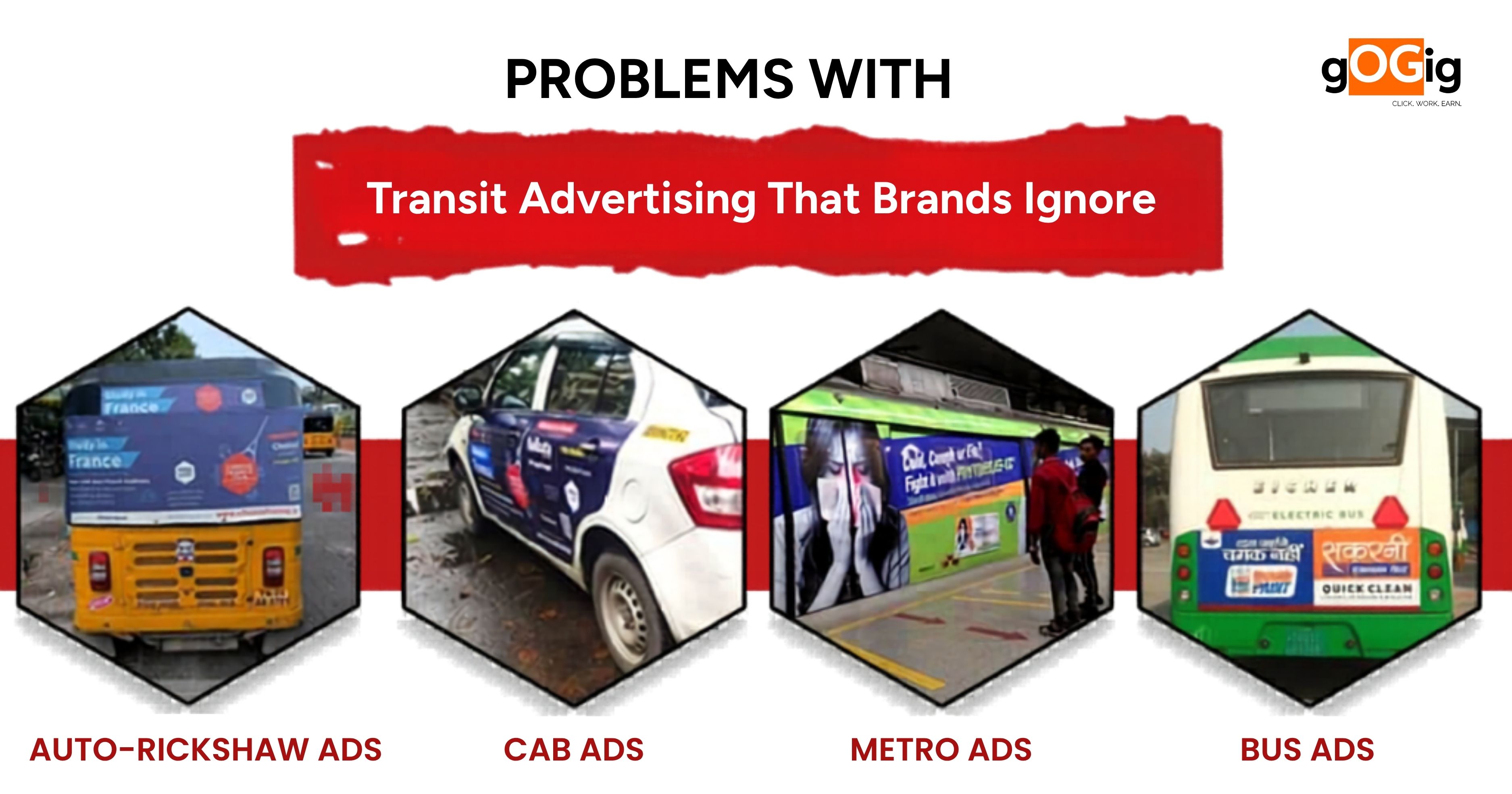
The Hidden Problems in Transit Advertising No One Talks About
Discover hidden transit advertising challenges like lack of real-time tracking, poor visibility, and compliance gaps. Optimize campaigns with smarter monitoring solutions.
Transit advertising plays a vital role in modern outdoor marketing, and it comes with several hidden challenges that impact campaign performance. From lack of realtime visibility in transit advertising to delayed campaign reporting and fragmented communication, these issues reduce efficiency and ROI. Brands investing in bus, cab, and metro advertising need better transit media tracking solutions to ensure proper execution.
In today’s fast paced marketing landscape, relying on post campaign reports is no longer effective. Real time transit advertising tracking, campaign monitoring tools, and data driven outdoor advertising strategies help brands identify gaps early, improve coordination, and optimize performance. Addressing these transit advertising challenges is key to maximizing reach, improving brand visibility, and ensuring successful campaign execution.
The Challenge of Real Time Visibility in Transit Campaigns
The Hidden Problems in Transit Advertising No One Talks About often stem from a lack of real time visibility. Limited access to timely data makes it harder for brands to adjust campaigns quickly and capture emerging opportunities.
Consider a major beverage company that faced significant losses due to delayed visibility during a peak advertising period. Without real time insights into their bus ads' performance, they couldn't optimize placements or timings, leading to wasted resources and missed engagement opportunities. Many teams struggle with similar transit advertising challenges, which hinder overall campaign success.
- Brands typically rely on outdated reporting methods.
- Delayed insights result in ineffective marketing strategies.
- Real time data is essential for optimizing ad placements.
- Many companies miss critical engagement windows due to slow reporting.
This ongoing issue emphasizes the need for improved systems that provide instant visibility into transit campaigns, helping brands make informed decisions quickly.
Fragmented Communication: The Silent Killer of Efficiency
When it comes to transit advertising challenges, fragmented communication undermines your campaign's success. Relying on multiple channels leads to confusion, delays, and inconsistent messaging.
A retail brand recently faced significant hurdles in coordinating its transit ads across various cities. They utilized emails, phone calls, and group chats to manage teams, which resulted in mixed messages and errors. As a consequence, the brand’s message varied from city to city, failing to create a coherent national identity.
- Multiple platforms cause miscommunication with team members.
- Inconsistent messaging dilutes brand identity across locations.
- Delays in information sharing lead to missed deadlines.
- Field teams struggle with unclear instructions.
- Confusion results in wasted resources and budget overruns.
This scenario highlights how crucial unified communication is for effective transit advertising. By consolidating tools and streamlining communication, brands enhance efficiency and ensure that their campaigns resonate uniformly across all markets.
The Pitfalls of PostCampaign Reporting
Many marketing teams face significant Transit Advertising Challenges when relying solely on post campaign data for decision making. This often leads to missed opportunities and wasted resources.
Take, for instance, an automotive brand that ran a large scale transit advertising campaign. They only reviewed execution reports after the campaign had ended. They identified areas for improvement, including ad placements and creative alignment with their guidelines. These oversights led to a lack of brand visibility and resulted in lost budget allocations.
- Relying on delayed reporting creates blind spots.
- Post campaign assessments can’t address issues in real time.
- Brands miss out on immediate corrective actions.
- Data accuracy is compromised without live verification.
- Campaign adjustments are nearly impossible after execution.
This scenario highlights the critical need for real time monitoring in transit advertising. By addressing these hidden problems in transit advertising, brands optimize their campaigns effectively, ensuring that every dollar spent contributes to achieving marketing goals.
Verifying Execution Authenticity: The Need for Trust
Authenticating execution proof in transit advertising is essential to building trust with consumers and protecting brand reputation.
A real world issue highlights this need: a fashion brand discovered that images from their recent campaign were misrepresented, leading to significant backlash. This incident exemplifies common transit advertising challenges that arise when proof of execution lacks verification.
- Many brands struggle to confirm the authenticity of photos taken during campaigns.
- Misrepresented images damage consumer trust and lead to a negative perception.
- Traditional methods often rely on manual audits, which are time consuming and prone to errors.
- Automated solutions provide real time verification, ensuring compliance with campaign guidelines.
- Establishing a reliable verification process fosters accountability with field teams.
The ability to verify execution authenticity mitigates risks and enhances overall campaign effectiveness. Brands must prioritize this aspect to maintain integrity in their marketing efforts.
Quality Control and Compliance: The Overlooked Necessity
Many marketers underestimate how critical quality control and compliance are in transit advertising. Noncompliance with guidelines often leads to ineffective advertising that damages brand reputation.
A notable case involved a tech startup that faced severe backlash after poorly placed ads violated city regulations. The fallout led to fines and tarnished the company's image, impacting customer trust. Such examples highlight the hidden problems in transit advertising challenges.
- Noncompliance results in costly penalties.
- Poor ad placements lead to wasted budget and missed opportunities.
- Brands risk damaging their reputation when ads don’t comply with local laws.
Understanding these factors is crucial for any marketing team aiming for success. Ensuring compliance with guidelines significantly enhances campaign effectiveness and protects your brand's integrity.
Managing MultiCity Campaigns: The Complexity Factor
Synchronizing campaigns across multiple cities presents significant Transit Advertising Challenges. Brands often struggle with maintaining consistent messaging and execution quality, which can lead to brand dilution.
For instance, a consumer goods company faced chaos when its branding varied widely across cities. This inconsistency confused customers and ultimately weakened brand identity. Managing different vendors and ensuring uniformity adds layers of complexity that many teams find overwhelming.
- Inconsistent branding leads to customer confusion.
- Different local vendors may interpret guidelines differently.
- Lack of centralized oversight results in missed deadlines.
- Real time communication gaps create operational delays.
The complexity of multicity campaigns requires a structured approach. Without it, you risk jeopardizing your brand's integrity and effectiveness in the bustling world of transit advertising.
Fraud Detection: The Unseen Threat to Brand Integrity
Fraud detection is a critical and often overlooked aspect of transit advertising challenges. Identifying common fraudulent practices saves brands from costly mistakes and preserves their integrity.
Many brands face issues like fake photo submissions, where agencies present images that do not represent actual installations. For instance, during a major campaign rollout, a beverage company discovered that nearly 30% of submitted photos were fabricated, leading to significant financial losses and brand damage.
- Common fraudulent practices include:
- Submitting altered or outdated images
- Claiming installations in nonexistent locations
- Reusing old photos from previous campaigns
This lack of authenticity jeopardizes the effectiveness of campaigns and erodes trust between brands and their audiences. Ensuring verification processes are in place is essential for maintaining credibility in transit advertising.
Strategies for Overcoming Transit Advertising Challenges
Addressing the hidden problems in transit advertising requires effective strategies that ensure visibility and communication.
To navigate transit advertising challenges, brands should adopt best practices that enhance real time visibility and streamline operations. By utilizing advanced technology, companies improve accountability and reduce errors.
- Implement centralized dashboards for live tracking of campaigns.
- Use automated alerts to notify teams about critical updates or compliance issues.
- Encourage collaboration by integrating communication tools to minimize fragmentation.
- Incorporate geotagging to verify execution locations automatically.
- Analyze data from past campaigns to identify trends and optimize future strategies.
Successful brands are already taking these steps. For instance, one prominent company improved its reporting speed by over 70%, allowing immediate adjustments during campaigns. This enhances efficiency and builds trust with clients by ensuring transparency in execution, ultimately transforming how transit advertising is approached.
Frequently Asked Questions (FAQ)
Transit advertising challenges are often overlooked, and they significantly impact campaign success. Understanding these issues is crucial for brands aiming to maximize their marketing efforts.
What are the primary challenges in transit advertising?
Brands face issues like a lack of real time visibility, fragmented communication, and difficulties in verifying execution proof.
How has visibility and compliance improved?
Effective strategies include utilizing centralized dashboards for live tracking and automated reporting to ensure adherence to campaign guidelines.
What technologies are available for fraud detection?
Advanced technologies like AI-based validation and geotagging can identify inconsistencies in proof submissions, helping brands maintain integrity.
Addressing these transit advertising challenges requires a proactive approach. By leveraging technology, you enhance transparency and boost compliance across your campaigns.
The Hidden Problems in Transit Advertising No One Talks About reveal significant challenges that hinder campaign effectiveness. Understanding these Transit Advertising Challenges is crucial for brands aiming to maximize their impact.
From the inability to verify execution proof to fragmented communication, these issues compromise the integrity of advertising efforts. Adopting technology driven solutions, such as gOGig, is essential for successful campaign execution. With real time visibility and automated verification, brands address operational gaps effectively.
- Real time tracking enhances transparency.
- Automated reporting minimizes delays.
- Centralized control improves compliance oversight.
By leveraging advanced tools like gOGig, companies streamline their operations and significantly boost their return on investment (ROI). Embracing innovative solutions ensures that your transit advertising campaigns are executed flawlessly and deliver measurable results.